Metabolic
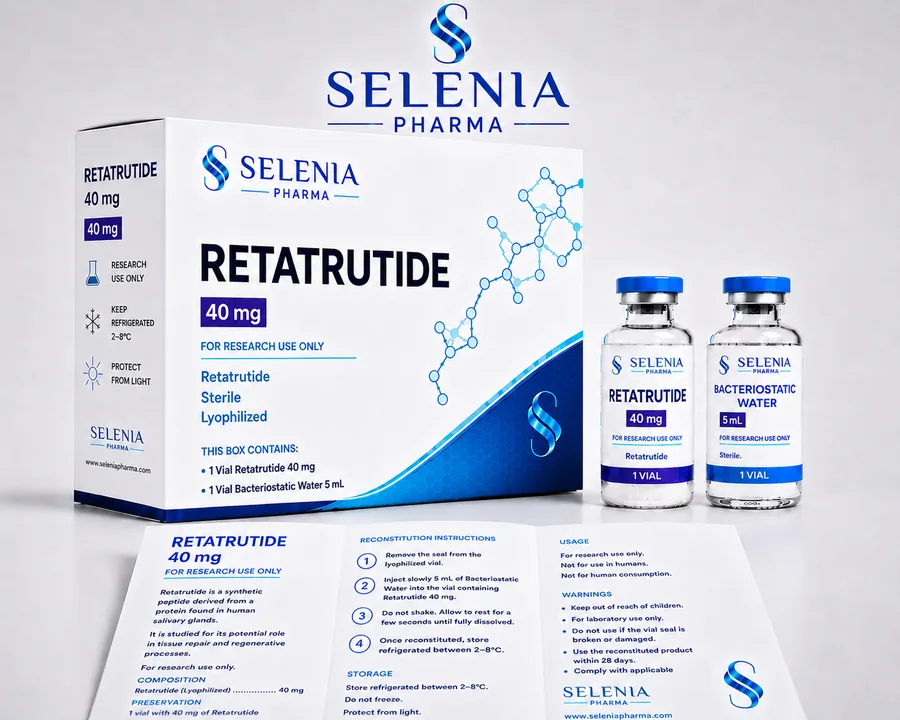
Retatrutide
Retatrutide is a triple-agonist peptide that acts on the GLP-1, GIP and glucagon receptors simultaneously. It is the first clinical triple agonist developed for metabolic research, with potential superior to dual agonist…
HPLC/MSCOAVerifiable serial≥99%
Request information →
▸ Overview
Retatrutide is a triple-agonist peptide that acts on the GLP-1, GIP and glucagon receptors simultaneously. It is the first clinical triple agonist developed for metabolic research, with potential superior to dual agonists such as Tirzepatide. Its multi-system action positions it as one of the most promising compounds in obesity and metabolism research.
Category: MetabolicPurity ≥99% HPLC/MS · COA per batch · Verifiable serial
▸ Mechanism of action
- Acts as a simultaneous agonist of three receptors: GLP-1R (glycemic control and satiety), GIPR (insulin potentiation) and GCGR (thermogenesis and lipolysis).
- GLP-1: reduces appetite via the hypothalamus, slows gastric emptying and improves glucose-dependent insulin secretion.
- GIP: potentiates insulin action in peripheral tissues, improving insulin sensitivity and glucose uptake.
- Glucagon: increases basal energy expenditure, stimulates lipolysis in adipose tissue and promotes thermogenesis in brown fat.
- The triple action produces a superior metabolic effect: greater body-weight loss than dual agonists or mono-agonists.
- Modulates multiple metabolic pathways simultaneously: caloric intake, energy expenditure, insulin sensitivity and glycemic homeostasis.
▸ Administration
- Subcutaneous route: fine (insulin-type) needles in the abdomen, thigh or arm.
- Reconstitution: lyophilized powder reconstituted with bacteriostatic water.
- Storage: mandatory refrigeration (2–8 °C) after reconstitution; use within 28 days.
▸ Timing
- No strict fasting restrictions: can be administered with or without food according to the research protocol.
- Common schedules: once a week (weekly dose) or as per a specific protocol.
- Single weekly dose: designed for prolonged administration with an extended half-life.
▸ Dosing & cycles
- Frequency: typically once a week (weekly dose).
- Cycles: may extend over several months according to the research protocol.
- Titration: many protocols start with low doses and increase gradually based on tolerance.
▸ Combinations
- An independent triple agonist: designed to act alone without the need for additional combinations.
- In advanced research it may be combined with recovery peptides or nootropics depending on the study's goal.
- Combining it with other GLP-1 or GIP agonists is not recommended due to possible overload of effects.
▸ Disclaimer
May cause nausea, vomiting, diarrhea, headache and transient gastrointestinal effects. Contraindicated in uncontrolled hypertension, pancreatitis or a history of thyroid cancer. Use under strict medical supervision. Not suitable for human or veterinary use without prescription outside the approved clinical context.